



.. About 70% of Nigerian children Lack Access To Water, Hygiene Facilities
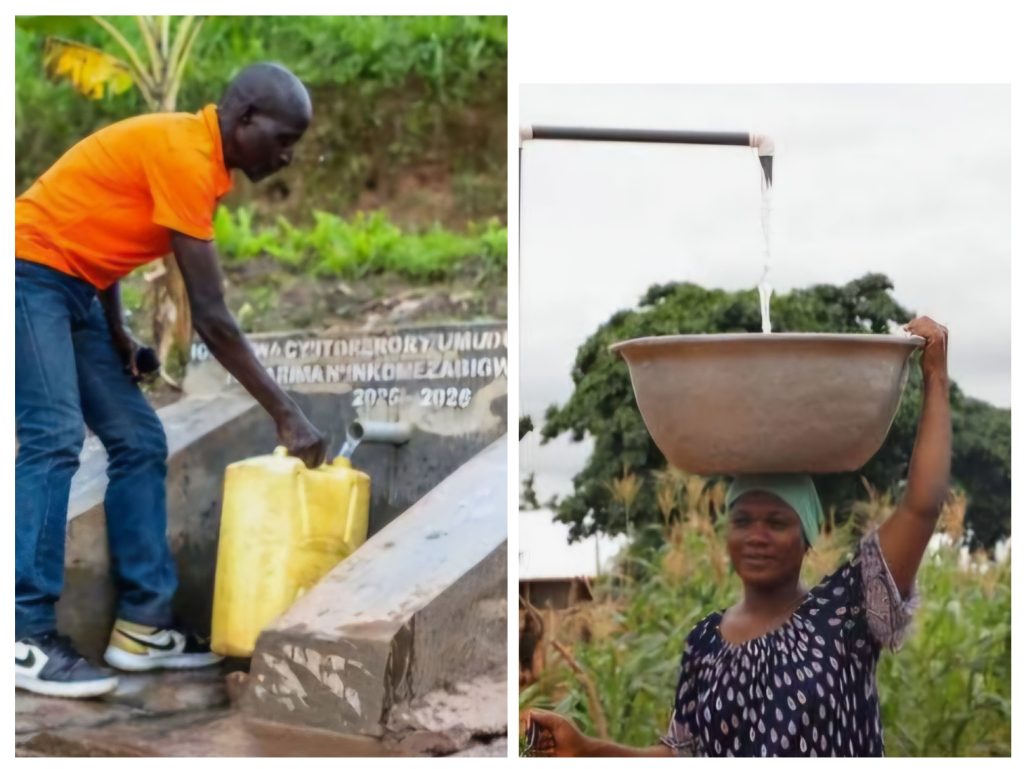
The statistics from various organizations like UNICEF and others are nothing to write home about.
More than 161 million people in Nigeria rely on contaminated water sources, and only 6% of healthcare facilities have basic WASH services.
Only 26.5 per cent of the population use improved drinking water sources and sanitation facilities. Over 10 million school children lack basic sanitation at school – UNICEF, Others
Millions of children in Nigeria wake up every day without clean water to drink, a safe toilet to use, or a place to wash their hands. This stark reality underscores a critical challenge facing the country, where access to basic water, sanitation, and hygiene (WASH) services remains far from universal, especially for children.
Data revealed that about 70% of Nigerian children, that is, about 7 in 10 children in Nigeria, are still deprived of WASH facilities, limiting their ability to learn and thrive. This deprivation is not just an infrastructure gap; it is a daily struggle that affects children’s health, education, and dignity.
Across communities, the consequences are severe. Children are frequently exposed to unsafe drinking water and poor sanitation conditions, increasing their vulnerability to diseases such as diarrhoea, cholera, and typhoid. Diarrhoeal diseases alone claim the lives of over 70,000 children under five each year, with poor WASH conditions responsible for a significant share of this burden.
The impact extends beyond health. In schools, limited access to water and sanitation facilities continues to disrupt learning. Many children miss school due to illness, while others, particularly girls, stay home because of inadequate sanitation and hygiene facilities. With over 10 million school children lacking basic sanitation in schools, the education system is under added strain.
This situation is particularly acute in rural and underserved communities, where families often rely on unsafe water sources and lack access to improved toilets. Nationally, an estimated 22% of the population still practices open defecation, further heightening the risk of disease and environmental contamination.

“As Nigeria joins the rest of the continent to mark the Day of the African Child (DAC) 2026, under the theme ‘Ensuring universal access to water, sanitation and hygiene for every child in Africa,’ the urgency of action has never been clearer. The theme calls for renewed commitment from governments, partners, and communities to ensure that every child, regardless of where they live, has access to safe, reliable, and sustainable WASH services”.
–Jane Mbagi Mutua, Deputy Country Director.
To change the story for millions of children, urgent and collective action is needed:• Government must increase funding and accelerate implementation of national WASH strategies.• Development partners and donors should prioritise long-term, sustainable WASH investments.• Communities must embrace improved hygiene practices and support efforts to end open defecation.•
Private sector actors can drive innovation and expand access through partnerships. “Every African child deserves clean water, safe sanitation, and good hygiene. This is not charity. It is an investment in health, dignity, education, and the future of Africa” –Muhammad Aminu, House Leader, Katsina State Children’s Parliament.
Ensuring universal access to water, sanitation and hygiene services is not only a development priority, but also a fundamental right. The time to act is now.